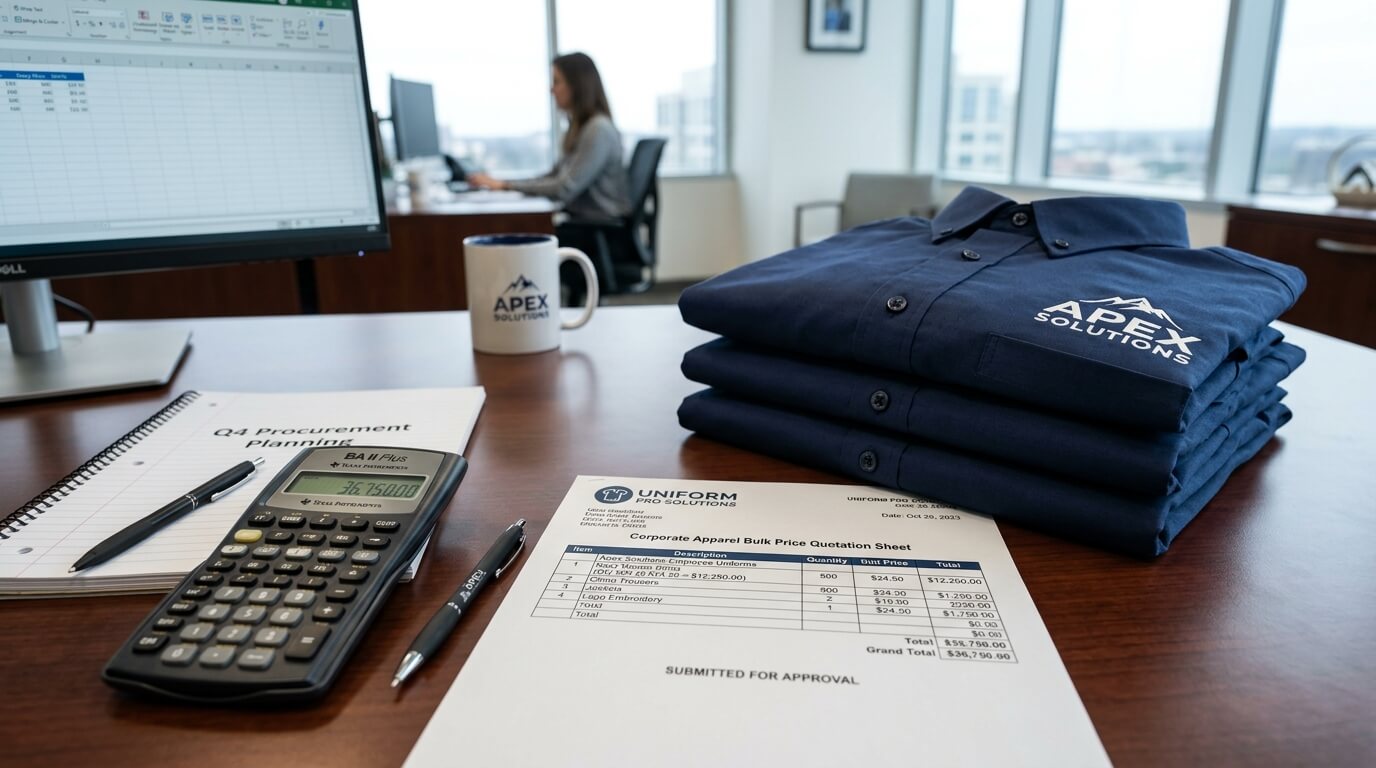
Selecting a garment manufacturer is one of the highest-stakes decisions in enterprise apparel procurement. Knowing how to choose a uniform shirt supplier ensures consistent fabric dye lots, precise fit accuracy, on-time bulk deliveries, and audited social compliance. Conversely, partnering with an unvetted vendor can lead to delayed rollouts, sub-standard stitching, and brand reputation risks.
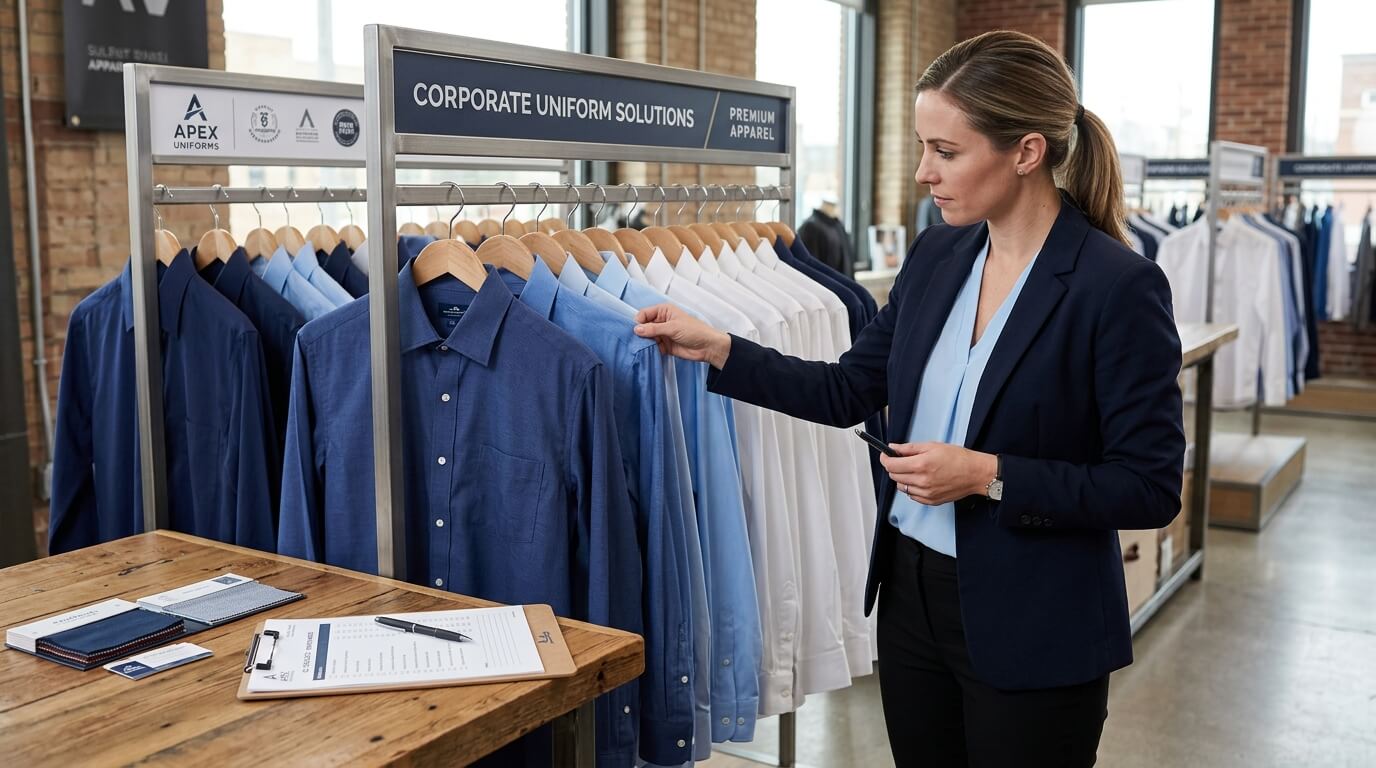
Why Supplier Selection is the Biggest Risk in a Uniform Program
When placing an enterprise order for 1,000 to 50,000+ uniform shirts, you are not merely purchasing garments—you are entering a multi-month supply chain partnership. Unreliable suppliers frequently substitute approved fabric blends with cheaper yarns, fail third-party ethical audits, miss delivery deadlines by months, or deliver shipments with high defect rates (>5%). Thorough upfront supplier due diligence mitigates these costly operational liabilities.
How do you vet a uniform shirt supplier?
How do you vet a uniform shirt supplier?
Direct Answer: To vet a uniform shirt supplier, evaluate four core operational pillars: 1. Audited Ethical & Quality Certifications (Sedex/SMETA, ISO 9001), 2. Sampling Accuracy (evaluating pre-production samples against spec sheets), 3. Operational Fit (verifying factory MOQ, monthly capacity, and lead times), and 4. Quality Control (AQL 2.5 inspection standards and clear defect protocols).
1. Certifications & Audits to Verify (Sedex/SMETA, ISO 9001/45001)
Never rely on unverified digital logos on a vendor website. Request valid third-party audit reports and membership IDs. Look for Sedex SMETA 4-Pillar social compliance audits, ISO 9001 for Quality Management Systems, and ISO 45001 for Occupational Health and Safety.
2. Sampling — What a Proper Sample Program Looks Like
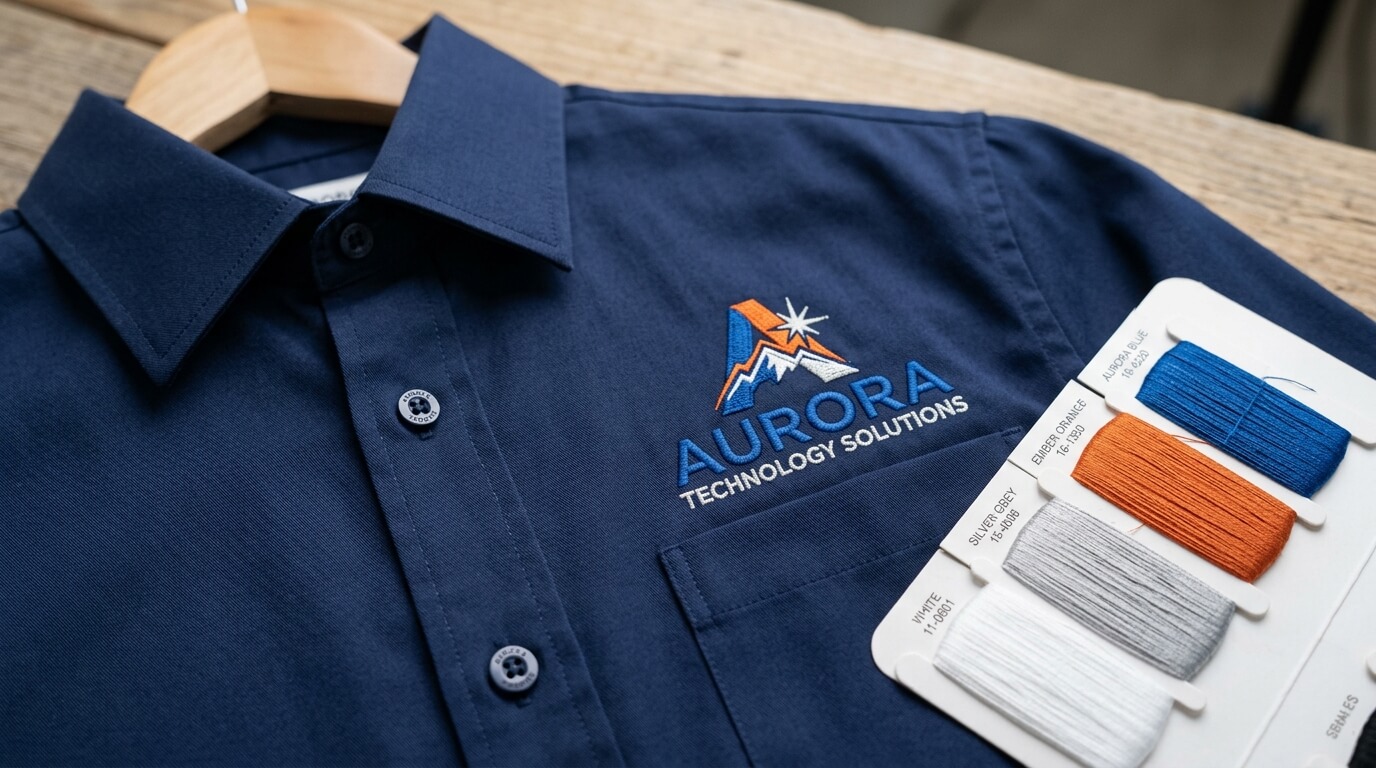
A professional manufacturer provides a structured pre-production sampling workflow. This includes lab-dips for pantone color matching, fabric swatches for weight verification, and a complete fit sample with embroidered logos before full production begins.
3. MOQ, Lead Time & Capacity Fit
Ensure the factory’s Minimum Order Quantity (MOQ) aligns with your rollout volume. Confirm their monthly production capacity so your order represents no more than 15%–25% of their total throughput, preventing production bottlenecks.
4. Communication, QC Process & Defect Handling
Confirm the factory enforces standard Acceptable Quality Limit (AQL) standards—typically AQL 2.5 for major defects and 4.0 for minor defects. Verify their written corrective action procedures for non-conforming goods.
The 10-Point Uniform Shirt Supplier Checklist
Use this extractable uniform shirt supplier checklist during your vendor evaluation process:
- Verified Third-Party Compliance: Valid Sedex/SMETA audit report and ISO 9001 quality certification.
- Fabric Traceability: Mill test certificates for yarn composition, colorfastness, and GSM weight.
- Pre-Production Sampling: Ability to deliver physical lab-dips and prototype shirts within 7–14 days.
- Transparent Capacity: Verified monthly factory capacity matching your order size and re-order schedules.
- Standardized AQL Inspection: Enforcement of AQL 2.5 inline and final pre-shipment inspections.
- In-House Customization: Controlled embroidery, screen printing, or heat-transfer capabilities.
- Clear Contractual MOQs: Defined volume tier breakdowns by fabric type, shirt style, and size distribution.
- Realistic Lead Time Commitments: Defined timelines for sampling (1–2 wks), bulk (4–6 wks), and transit.
- Secure Payment Terms: Standard B2B payment terms (e.g., LC or Deposit + Balance against BL).
- Dedicated Account Support: Single point-of-contact fluent in English with technical apparel expertise.
Red Flags That Signal an Unreliable Manufacturer
When vetting garment manufacturers, watch out for these critical warning signs during initial negotiations:
- Reluctance to share audit reports: Refusing to provide original PDF copies of SMETA or ISO audits.
- Unrealistic pricing or lead times: Quoting 50% below market average or promising bulk delivery in under 10 days.
- No physical factory proof: Refusal to provide live video walk-throughs, factory address verification, or factory tour access.
- Vague defect policies: Lack of written agreement on returns, credits, or remakes for failed AQL inspections.
Questions to Ask Before Your First Order
Keep these essential questions to ask a uniform manufacturer handy during your due diligence calls:
- “Can you provide your Sedex Company ID or recent SMETA 4-Pillar audit report for direct verification?”
- “What is your standard AQL inspection threshold for bulk uniform shipments?”
- “What is your exact lead time from pre-production sample approval to ex-factory shipment?”
- “How do you handle color matching across different production dye lots for future re-orders?”
- “What are your exact terms for replacement or credit if a shipment fails pre-shipment inspection?”
Frequently Asked Questions
How do I verify a uniform supplier’s compliance certifications?
Request the supplier’s official audit certificate along with their Sedex ID or ISO registration number. You can verify Sedex membership directly via the Sedex Advance platform or cross-reference ISO certificates through accredited registrar databases.
What is a reasonable MOQ when choosing a uniform supplier?
For custom-dyed corporate uniform shirts, standard factory MOQs typically range from 300 to 500 pieces per style/color. For ready-stock fabrics with custom embroidery, MOQs can be as low as 100 to 200 units.
How many sample iterations should I expect before bulk production?
A well-organized supplier should achieve final sample approval within 1 to 2 iterations. Iteration 1 evaluates fit, fabric, and construction; Iteration 2 verifies final color lab-dips and digitized logo placement.
What are standard lead times for custom corporate uniform orders?
Standard production lead times range from 7 to 14 days for pre-production sampling, followed by 30 to 45 days for bulk garment manufacturing, plus shipping transit time depending on air or ocean freight.
What payment terms are safe for B2B apparel sourcing?
For initial orders, a common payment structure is a 30% advance deposit to initiate raw material sourcing, with the remaining 70% balance due upon completion and passing of final AQL 2.5 pre-shipment inspection (against Bill of Lading).
Related Reading: Learn how to source uniform shirts from Pakistan or review key Sedex & SMETA ethical manufacturing standards.
Evaluate Our Manufacturing Capabilities
Put our facility to the test against your procurement checklist. Request our complete factory profile, Sedex audit summaries, and a pre-production sample for your upcoming uniform project.